Manufacturers evaluating which ERP has the best features for apparel efficiency usually start with a feature list and a demo. The problem is that most feature lists are designed to look complete, not to show where the system actually stops and where spreadsheets start.
For apparel and textile manufacturers running cut-and-sew production, the answer depends on whether the ERP was built around garment manufacturing workflows or retrofitted to accommodate them. This comparison breaks down seven platforms across apparel manufacturing capabilities so the differences are visible before a sales call, not after implementation.
Why the Question “Which ERP Has the Best Features for Apparel Efficiency” Requires a Manufacturing Lens
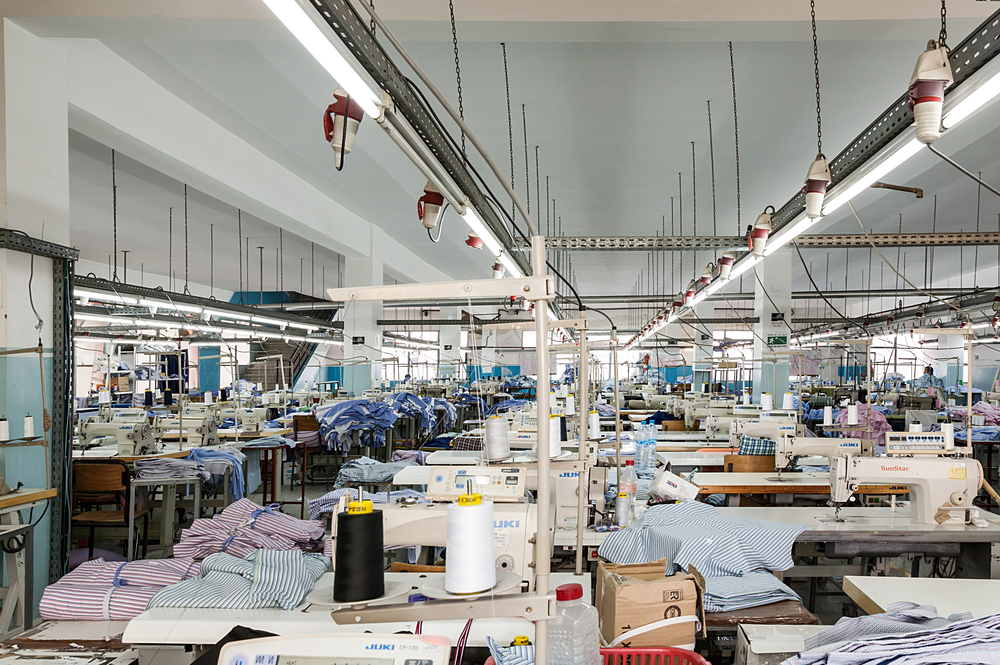
Apparel efficiency is not a general operations metric. It is the result of how well an ERP handles workflows specific to garment and textile production: size-color matrix management, cut order planning, marker integration, bundle tracking, fabric yield analysis, decoration production, and EDI compliance with major retailers.
General ERPs cover accounting, purchasing, and inventory well. Where they fall short is in production-specific workflows. Apparel-specific systems differ based on how deeply they support manufacturing execution.
Which ERP Has the Best Features for Apparel Efficiency? PolyPM overview
PolyPM is a unified PLM and ERP platform built specifically for cut-and-sew manufacturing.
Unlike other systems in this comparison, PolyPM provides native, end-to-end support for cutting room operations, including cut order planning, marker plan management, spread planning, cut ticket generation, and direct CAD integrations with Gerber, Lectra, Tukacad, and Polynest. Other platforms either do not support these workflows or rely on external systems and manual processes.
On the production floor, PolyPM supports bundle tracking, WIP tote management with mobile scanning, progressive bundle system workflows, operation sequencing, and real-time production dashboards. These capabilities are either partial or unavailable in competing platforms.
PolyPM is also the only platform in this comparison with native support for in-house decoration production, including screen printing, embroidery, and sublimation as part of the manufacturing workflow. Other systems may track outsourced decoration but do not manage it as an integrated production process.
In addition, PolyPM provides native, built-in support for Nike XML integration and direct PVH connectivity. Other platforms require custom development, third-party integrations, or do not support these retailer-specific workflows.
PolyPM also includes robust reporting through Crystal Reports integration. While some legacy systems like Dynamics GP support Crystal Reports, PolyPM combines this with deep, apparel-specific operational data.
Which ERP Has the Best Features for Apparel Efficiency? Oracle ERP Cloud Overview
Oracle ERP Cloud is a powerful enterprise platform known for its strength in financial management, procurement, and multi-entity reporting.
It supports key operational capabilities such as capacity planning, material forecasting, and subassembly manufacturing. For organizations with complex financial structures or global operations, these are important advantages.
In apparel manufacturing environments, Oracle provides some foundational support, but some production-specific workflows, such as cutting room operations, marker planning, and detailed shop floor tracking, are not handled natively and may require additional tools or integrations.
For companies prioritizing financial control and enterprise scalability, Oracle is a strong option. For those focused on production-level apparel efficiency, it’s important to evaluate how these workflows would be supported.

Which ERP Has the Best Features for Apparel Efficiency? NetSuite Overview
NetSuite is one of the most widely adopted cloud ERP systems, offering a well-rounded platform for financials, inventory, and order management.
It provides solid support for multi-location inventory, material requirements planning, and general production planning. Its cloud-native architecture also makes it attractive for companies looking for flexibility and scalability.
For apparel-specific manufacturing workflows, NetSuite offers partial support in some areas, while others, particularly in cutting room operations and detailed production tracking, may require customization or additional solutions.
NetSuite is a strong fit for organizations looking for a flexible, cloud-based ERP. Apparel manufacturers should assess how deeply it aligns with their production workflows.

Which ERP Has the Best Features for Apparel Efficiency? Dynamics GP Overview
Dynamics GP is a long-standing ERP platform with strong capabilities in financial management and reporting, including integration with tools like Crystal Reports.
It supports core functions such as general ledger, inventory management, and basic manufacturing processes, making it a reliable system for many organizations.
For apparel manufacturing, Dynamics GP provides foundational support but does not natively cover some specialized workflows such as cutting room operations, bundle tracking, or progressive production systems. These areas may require add-ons or external tools.
For companies already using Dynamics GP, it continues to serve as a stable performing financial system. Evaluating how it supports evolving production needs is an important next step to take before committing.

Which ERP Has the Best Features for Apparel Efficiency? Odoo Overview
Odoo is a flexible, modular ERP platform known for its open architecture and ability to be customized to different business needs.
It offers strong capabilities in accounting, inventory, and workflow automation, and its modular approach allows companies to build systems tailored to their operations.
In apparel manufacturing environments, some specialized workflows, such as size-color matrix management, cutting room planning, and detailed production tracking, typically require configuration or custom development.
Odoo is a great option for organizations that value flexibility and control over system customization. For apparel manufacturers, the level of customization required is an important consideration.

Which ERP Has the Best Features for Apparel Efficiency? BlueCherry Overview
BlueCherry is a well-known apparel-focused ERP platform designed with strong capabilities in product development, shop floor control, and production visibility.
It provides robust support for bundle tracking, operation sequencing, labor tracking, and real-time production dashboards. It is particularly well-suited for brands and organizations focused on managing production performance and visibility.
In the area of cutting room operations, BlueCherry offers a bit more limited native functionality, and certain workflows (such as marker planning and spread planning) may require additional tools or processes.
BlueCherry is a strong option for companies focused on product development and shop floor management, and it can be effective depending on how production workflows are structured.

Which ERP Has the Best Features for Apparel Efficiency? Apparel Magic Overview
Apparel Magic is a popular cloud-based ERP designed primarily for small to mid-sized brands and wholesalers.
It offers strong capabilities in order management, pricing, and integrations with eCommerce platforms such as Shopify and Amazon. Its user-friendly interface and accessibility make it appealing for growing businesses.
For manufacturing-focused workflows, including cutting room operations and detailed production tracking, Apparel Magic can sometimes provide limited support and is generally better aligned with brand and distribution needs.
For organizations focused on wholesale or direct-to-consumer operations, Apparel Magic can be a strong fit. For production-heavy environments, it’s important to evaluate how your unique manufacturing processes will be supported.
Final Takeaway: Which ERP Has the Best Features for Apparel Efficiency Depends on Where You Manufacture Value
The question of which ERP has the best features for apparel efficiency ultimately depends on where inefficiencies exist within your operation.
General ERP platforms such as Oracle and NetSuite offer strong capabilities in financial management, inventory control, and high-level planning, making them well suited for organizations with complex financial or multi-entity requirements.
Apparel-focused platforms like BlueCherry and Apparel Magic provide great support for product development, order management, and brand-driven workflows, particularly for companies operating across wholesale or direct-to-consumer channels.
For manufacturers focused on production execution, including cutting room operations, sewing, decoration, and fulfillment, the depth and structure of manufacturing functionality can vary significantly across platforms.
PolyPM is designed specifically for cut-and-sew manufacturing environments and provides native support across many of these production workflows, which may reduce the need for external systems or additional customization depending on the use case.
Ultimately, the right ERP depends on how your business operates, where complexity exists, and which processes have the greatest impact on efficiency and growth.
→ Follow PolyPM our LinkedIn profile and Facebook profile for more updates on textile and apparel manufacturing ERP softwares. You can also read our many verified client reviews on Capterra.
This comparison is based on publicly available information, internal research, and documented platform capabilities at the time of writing. Feature availability may vary based on configuration, implementation approach, third-party integrations, and ongoing product updates. The information provided is intended for general informational purposes only and should not be considered a definitive evaluation or endorsement of any platform. Organizations should conduct their own due diligence and consult directly with vendors to assess suitability based on their specific operational requirements. Any references to third-party platforms are based on general market positioning and may not reflect all available features or configurations. All company names, product names, and logos are the property of their respective owners. Logos are used for identification and comparative purposes only and do not imply affiliation, partnership, or endorsement.