
Garment Manufacturing ERP Software: What Makes a System Truly Built for Garment Manufacturing

A garment manufacturing ERP software system is not defined by accounting strength or reporting dashboards. It is defined by whether it can handle real production pressure without forcing manufacturers back into spreadsheets, paid-add ons, disconnected tools, or costly reimplementation cycles. In garment manufacturing, product changes are constant. Variations multiply. Decoration rules shift. BOMs evolve. Production […]
ERP Company Workwear Industry: Real-Time Execution When Production Reality Changes

Choosing an ERP company for the workwear industry in 2026 is no longer about the cleanest interface. Workwear production changes mid-stream: specs update, materials get substituted, and schedules compress. When product data, inventory, and production are no longer aligned, ERP becomes a reporting layer while the factory runs elsewhere. If you are evaluating an erp […]
Textile ERP Software for 2026: Managing Yarn, Dye Lots, and Roll-Level Production in One System
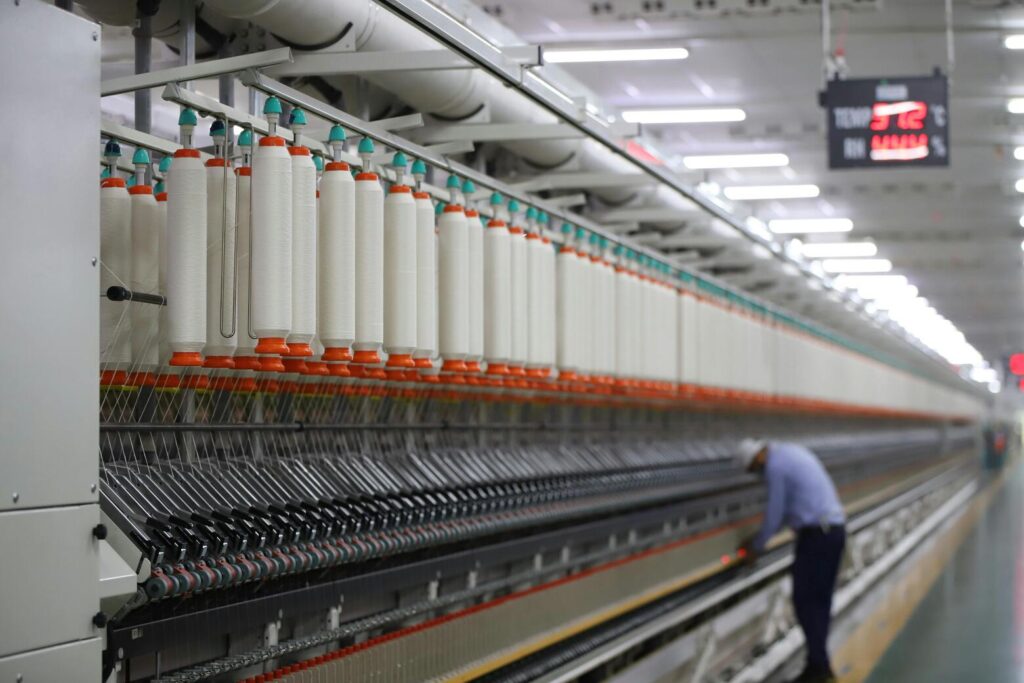
A modern textile ERP software solution in 2026 must do far more than manage orders and inventory balances. Textile manufacturers operate in environments where yarn is tracked by weight, greige goods move through multiple finishing stages, dye recipes require strict control, and fabric yield changes based on width and weight variables. Generic ERP systems simply […]
Footwear ERP Software for 2026: Real-Time Execution When Production Reality Changes

Choosing a footwear ERP software in 2026 is no longer about which system has the cleanest interface or the longest feature list. For footwear manufacturers, the real question is whether the system can continue to run production when specifications, materials, and schedules change mid-production. Styles are adjusted late. Materials are substituted. Variations multiply. Work moves […]
Swimwear ERP System for 2026: Real-Time Visibility From Materials to Shipment

For manufacturers producing swimwear collections, private-label programs, and high-variation orders, a swimwear ERP system determines how reliably production can move when reality changes. Materials substitute. Artwork updates. Options multiply. Schedules compress. When systems cannot keep product data, inventory, and execution aligned, teams fall back on spreadsheets – and production runs outside the system. Manufacturers operating […]
Compare the Best Textile & Apparel ERP Solutions New York Manufacturers Can Actually Rely on

For apparel and textile manufacturers evaluating apparel ERP solutions New York, the decision is rarely about feature checklists. It is about whether the system can survive real production pressure without forcing the business into constant reimplementation cycles, workarounds, and spreadsheets. Manufacturers operating in New York, Los Angeles, Miami, Chicago, Houston, and Greenville, as well as […]
Apparel Inventory Management Software for 2026: Real-Time Visibility From Raw Materials to Finished Goods
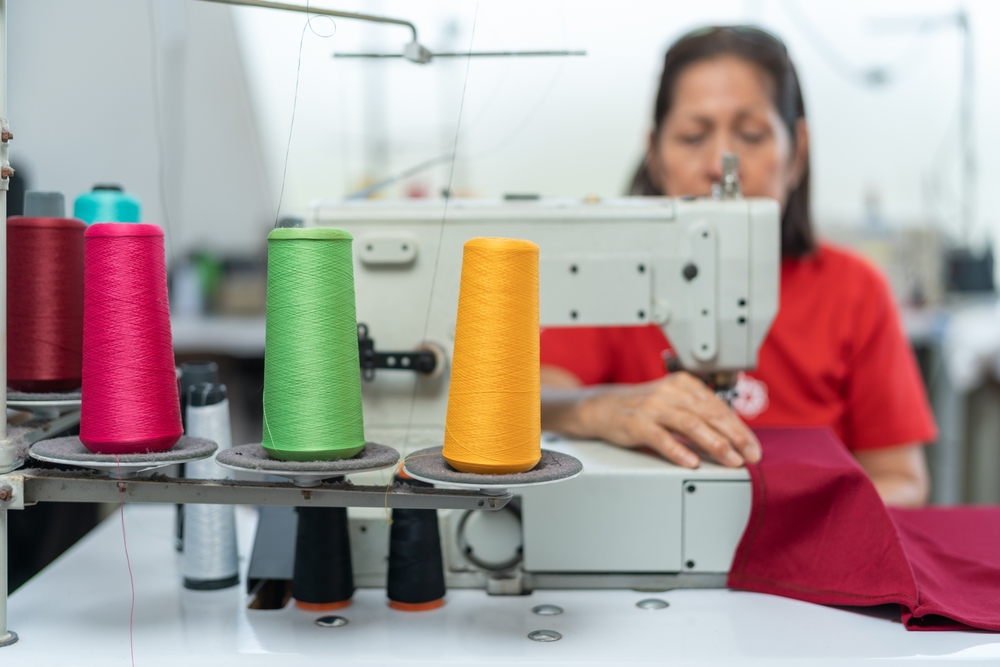
For manufacturers producing uniforms, licensed apparel, fashion collections, or high-variation team orders, apparel inventory management software determines how fast production can actually move. When inventory data breaks down, production slows or stops. Manufacturers operating in markets such as Los Angeles, New York, Miami, Chicago, Houston, and Greenville, as well as nearshore regions including Guatemala City, […]
Best Apparel ERP in 2026: A Guide for Textile Manufacturer’s Comparison of Leading Softwares
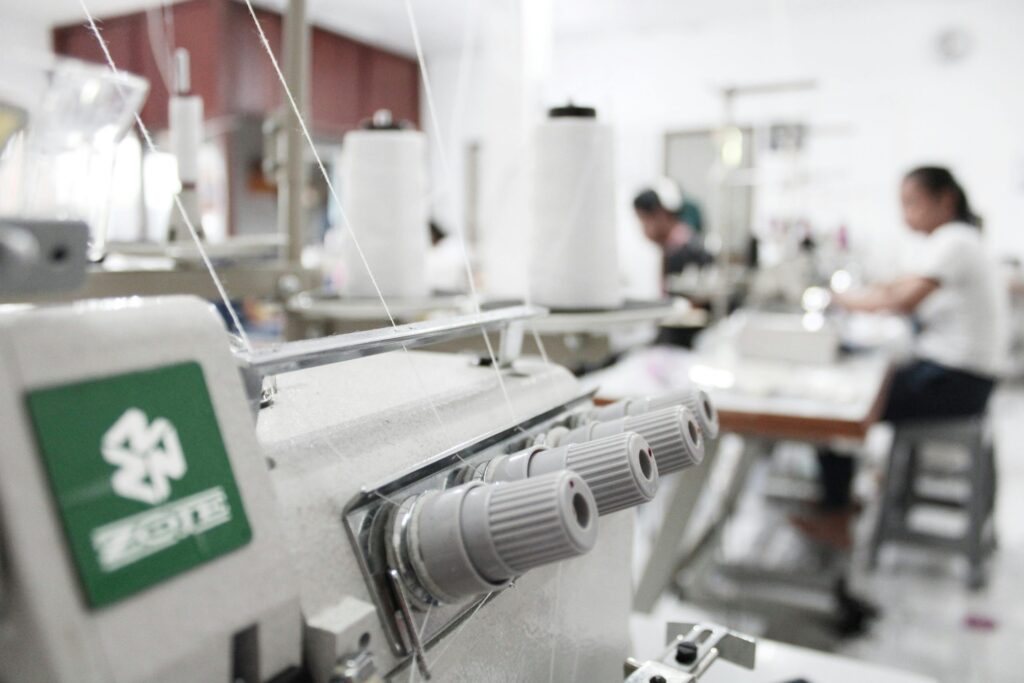
For apparel manufacturers, choosing the best apparel ERP in 2026 is no longer about which system has the cleanest interface or the longest feature checklist. It is about which platform can actually run production when reality changes. Materials substitute. artwork updates. options multiply. schedules compress. When that happens, the system either keeps production aligned or […]
Apparel PLM Software for 2026: Why Modern PLM Must Go Far Beyond Design

Why Apparel PLM Software Can No Longer End at Design For many years, an apparel PLM software was used mainly by design teams. It centralized sketches, tech packs, BOMs, and sample comments, then passed that information downstream to sourcing and production. That approach worked when assortments were simpler and lead times allowed for manual handoffs. […]
Why Modern Apparel Manufacturing ERP Software Must Be Built on a Unified PLM+ERP Platform
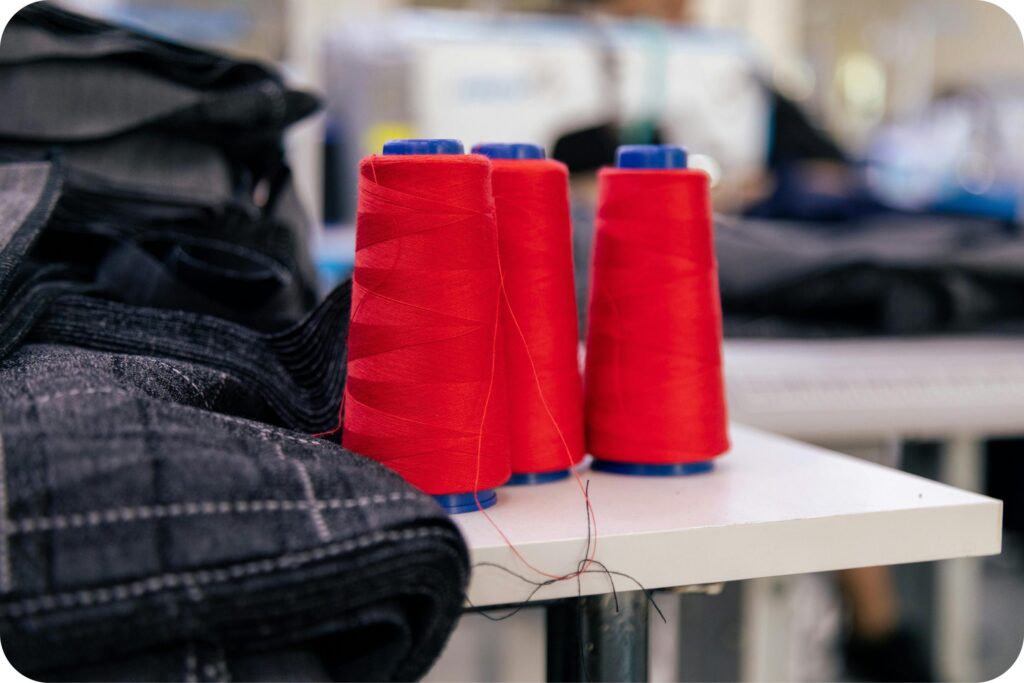
Across the major industry production sites like Los Angeles, New York, Miami, Chicago, Houston, and Greenville, and nearshore regions such as Guatemala City, San Pedro Sula, Tegucigalpa, San Salvador, and Managua, manufacturers are dealing with rapid style changes, high variation, complex supply chains, and cross-border coordination challenges. Separate PLM and ERP systems cannot keep up […]