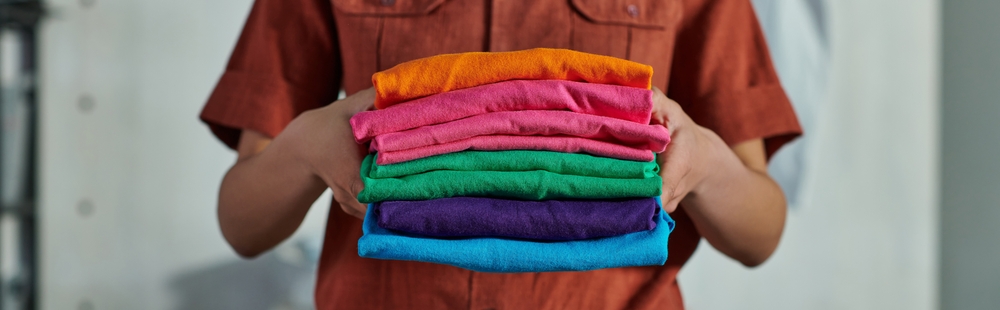
Screen printing, embroidery, and sublimation are production steps, not side projects, yet most apparel manufacturers manage them that way. Blanks get pulled from a shelf, a decorator runs the job, and the finished pieces come back with no barcode trail and no link to the manufacturing order that started the process. PolyPM’s apparel decoration software solves this by treating decoration as a native step inside the same apparel manufacturing ERP software that already runs cutting, sewing, and finishing.
For manufacturers who decorate in house, PolyPM is the missing piece between a system that tracks development and inventory well and one that actually tracks production the way it happens on the floor.
→ Is decoration the one part of your production floor that still runs on paper? Talk to the PolyPM team about connecting it to the rest of your operation.
What Is PolyPM’s Apparel Decoration Software?
Apparel decoration software manages the processes that turn a blank garment into a finished, branded product. That includes screen printing, embroidery, sublimation, heat transfer, and similar embellishment methods. On its own, most decoration software handles design files, machine programs, and job queues for the decoration equipment itself, and stops there.
The gap shows up the moment that decoration process needs to connect to everything else happening on the floor.
A blank garment does not decorate itself. It has to be pulled from inventory, matched to a style, color, and size, tracked while it moves to the decoration station, and reconciled back into production once the job is done. Most decoration software was built by embroidery and screen print equipment companies, not by apparel manufacturers managing full production orders, so it rarely talks to the ERP or PLM system that runs the rest of the factory.
That disconnect creates a blind spot right in the middle of the production floor. A manufacturer can have precise style and BOM data in product development, real-time roll-level inventory in the warehouse, and detailed cut and sew tracking on the sewing line, and still lose visibility the moment a bundle of blanks heads to decoration. PolyPM’s apparel decoration software lives inside a broader apparel production software platform, so it closes that gap instead of adding another disconnected system to the mix.
For manufacturers who decorate in house, whether that means screen printing team logos onto polos, embroidering crests onto uniform jackets, or sublimating full color graphics onto performance sportswear, the decoration step needs the same visibility as cutting, sewing, and finishing. PolyPM was built around that idea from the ground up.
→ Are you running decoration on a separate system from the rest of your production floor? Reach out to PolyPM to see what that gap is costing you.

Why Does In-House Decoration Break Down Without the Right System?
Ask a production manager how many blanks were pulled for a decoration job yesterday and most cannot answer without walking the floor. That is not a training problem. It is a systems problem, and it shows up the same way at almost every manufacturer that decorates garments in house without dedicated apparel decoration software behind them.
Blanks get pulled without a record. A supervisor grabs a box of blanks off the shelf for a screen print run and nothing in the system reflects that withdrawal until someone manually enters it later, if they enter it at all. Inventory counts stay wrong until the next physical count catches the difference.
Decoration jobs lose their connection to the manufacturing order. The manufacturing order says a certain style, color, and size combination needs a specific decoration applied. Once the blanks leave the warehouse, that link often exists only in someone’s memory or on a printed traveler that can get lost, damaged, or misread.
Pull sheets are built by hand. Someone manually compiles which blanks go to which decoration station based on today’s schedule, then manually adjusts it again when priorities shift. Every schedule change means redoing the sheet.
Decorated goods come back with no barcode trail. The blanks that left the warehouse as raw stock come back as finished, decorated pieces, but the system has no way to trace them back to the original withdrawal, the decoration method used, or the specific run that produced them.
Screen print, embroidery, and sublimation each get tracked differently, if at all. A factory running all three decoration methods often manages them with three different spreadsheets, three different logs on the shop floor, or no tracking at all beyond a supervisor’s memory of what shipped when.
Each of these gaps traces back to the same root cause: a factory running without apparel decoration software connecting decoration to the manufacturing order workflow. Generic manufacturing ERP systems create this exact blind spot because they were never built around apparel workflows and roll-level inventory. It is also the gap that most apparel decoration software leaves open, because most decoration software is built to manage the printer or embroidery machine, not the full flow of blanks in and finished goods out. This is where PolyPM approaches the problem differently.
→ How much production time gets lost tracking down where a batch of blanks actually went? Ask the PolyPM team how manufacturing order integrated decoration closes that gap.
How Does PolyPM Run Decoration as a Native Production Step?
PolyPM’s apparel decoration software treats screen print, embroidery, and sublimation as production steps inside the same manufacturing order that governs cutting, sewing, and finishing. That single decision changes almost everything about how a factory tracks decoration.
Instead of decoration living on a separate whiteboard or a standalone piece of decoration software, it becomes an operation within the manufacturing order, the same way sewing operations are sequenced on the production line. That means the manufacturing order knows exactly which blanks are needed, which decoration method applies, how many units are due at each station, and where those units stand at any point in the day.
This is the piece of apparel decoration software that most competing systems in the apparel ERP space simply do not offer, because they treat decoration as an external process to be tracked separately rather than a manufacturing step to be executed inside the same order management workflow.
Blank Boxes and Pull Sheets
This is where PolyPM’s apparel decoration software earns its keep. PolyPM organizes blanks into tracked boxes as soon as they enter inventory, whether those blanks were cut and sewn in house or sourced from a blank goods supplier. Each box carries style, color, size, and quantity data tied directly back to inventory.
When a manufacturing order calls for decoration, PolyPM generates a pull sheet automatically based on what that order actually needs. The pull sheet tells the warehouse team exactly which boxes to pull, in what quantities, and for which decoration station, without anyone rebuilding a spreadsheet every time the production schedule shifts. If the schedule changes, the pull sheet updates with it, because it is generated from the same production data driving the rest of the floor rather than assembled by hand.
Withdrawing Blanks by Barcode
Every blank box carries a barcode, and withdrawing blanks for a decoration run means scanning that barcode rather than writing a quantity on a piece of paper. The scan records exactly which blanks left inventory, for which manufacturing order, and for which decoration operation, in real time.
That single scan does three things at once. It updates inventory so the warehouse always reflects what actually left the shelf. It ties the withdrawal to the specific manufacturing order and decoration step, preserving the chain from raw blank to finished, decorated garment. And it gives production managers a live answer to the question every factory asks constantly: what is currently in decoration, and what is still waiting to be pulled.
Screen Print, Embroidery, and Sublimation as Native Operations
Because decoration lives inside the manufacturing order, PolyPM tracks screen print, embroidery, and sublimation as their own distinct operations rather than lumping every decoration method into one generic step. A style that needs embroidery on the chest and a heat applied label on the neck can have both operations sequenced, scheduled, and tracked separately, even though they happen within the same production run.
This matters for manufacturers running mixed decoration methods across their product mix, which describes most workwear, uniform, and sportswear manufacturers. A uniform manufacturer might embroider crests on outerwear while screen printing names and numbers on team jerseys in the same week, and PolyPM keeps both processes visible inside one production schedule instead of forcing the factory to track them in separate tools.
→ Want to see how blank boxes, pull sheets, and barcode withdrawal work together inside one manufacturing order? Contact PolyPM for a walkthrough built around your decoration workflow.
What Do Most Apparel Decoration Software and ERP Systems Get Wrong?
Compare the apparel ERP and PLM systems most manufacturers evaluate and a consistent pattern shows up. Generic ERP platforms handle order management and financials reasonably well but treat decoration as a note field or a generic subcontractor step, with no barcode withdrawal, no pull sheet automation, and no blank box tracking built in. Standalone decoration software built for embroidery and screen print shops handles machine programming and job queues well but has no concept of a manufacturing order, roll-level inventory, or a bill of materials tied to a style.
Manufacturers end up stitching these systems together with spreadsheets, printed travelers, and manual data entry, which recreates the exact visibility gap that apparel decoration software should eliminate. The decorated apparel market itself is growing quickly.
Market research from Fortune Business Insights points to expanding demand for customized fashion, branded merchandise, and promotional clothing across retail, sports, entertainment, and corporate sectors. As that demand grows, the manufacturers still tracking decoration on paper fall further behind competitors who have decoration built into their core production system.
PolyPM approaches this differently by starting from the manufacturing order rather than the decoration equipment. Blank boxes, pull sheets, and barcode withdrawal are not add-ons bolted onto a generic ERP. They are part of the same platform that already manages product development, inventory, and production scheduling, which is why decoration slots in as a production step instead of a separate system to reconcile.
→ Tired of stitching decoration tracking together with spreadsheets and printed travelers? Talk to PolyPM about a system built around the full manufacturing order.
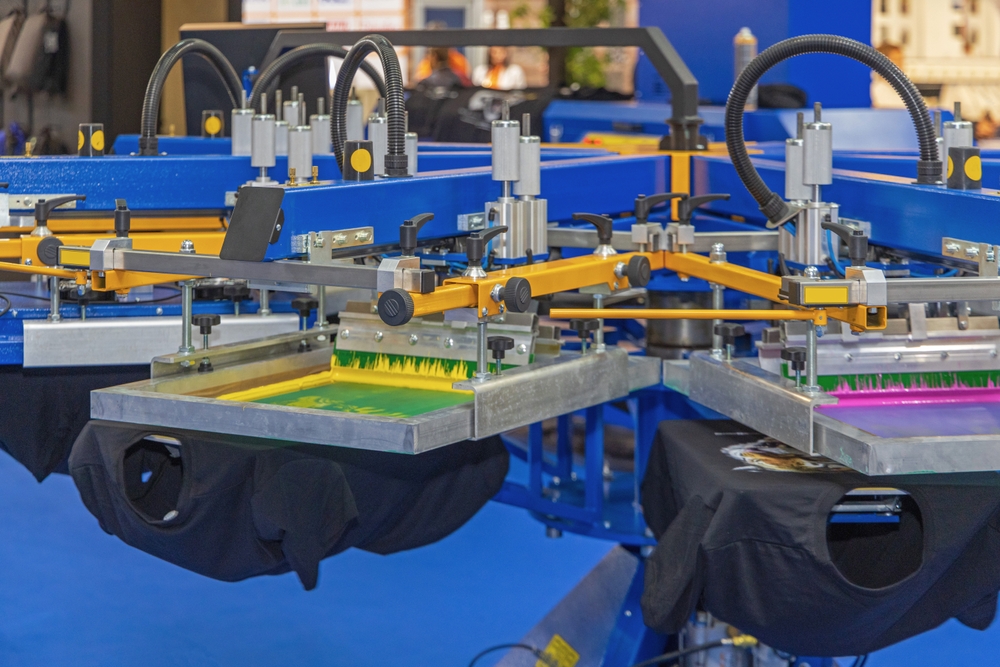
The Business Case for Managing Decoration Inside PolyPM
Manufacturers rarely calculate what running without real apparel decoration software actually costs them, but the numbers add up quickly once you look for them.
Shrinkage on blanks is nearly impossible to control without barcode withdrawal. When blanks are pulled by hand and logged after the fact, discrepancies between what left the warehouse and what came back decorated go unnoticed until a physical count, and by then the cause is impossible to trace.
Rework costs climb when the wrong blanks reach a decoration station. A pull sheet built manually is only as accurate as the person who built it. Mismatched sizes or colors reaching screen print or embroidery mean redone jobs, wasted decoration materials, and missed ship dates.
Production managers lose hours chasing status updates. Without a live view of what is in decoration, production managers spend time walking the floor or calling supervisors just to answer a question the system should answer instantly.
Customers notice the delays even when they never see the cause. A retailer or corporate uniform buyer waiting on a shipment does not know that a pull sheet error caused the delay. They just know the order was late, and repeated delays affect renewal conversations regardless of the root cause.
Bringing decoration inside PolyPM’s manufacturing order workflow addresses all four issues at once because the fix is structural rather than procedural. The system generates accurate pull sheets from real production data, barcode scans catch shrinkage as it happens rather than at count time, and production managers get real time visibility into decoration status without leaving their desk. This is the same operational discipline PolyPM applies to shop floor visibility and work in progress tracking across the rest of the plant, extended into decoration instead of stopping short of it.
→ Curious what disconnected decoration tracking is actually costing your factory? Get in touch with PolyPM and find out.
How This Looks on a Real Production Floor with PolyPM
A production manager at a sportswear manufacturer opens a manufacturing order for 500 units of a performance polo, split across three colorways, each needing sublimated graphics on the front panel before assembly. Because the factory runs its decoration process through PolyPM’s apparel decoration software rather than a separate spreadsheet, that manufacturing order already specifies the decoration operation, the quantities needed per colorway, and the station it is scheduled to run through.
The warehouse team pulls up the pull sheet PolyPM generated for that order, which lists the exact blank boxes to retrieve based on current roll level and finished goods inventory. Each box gets scanned as it leaves the shelf, which updates inventory in real time and logs the withdrawal against the manufacturing order. The sublimation team runs the job, and the finished, decorated panels move forward into the sewing operations that assemble the finished polo.
At any point during that process, the production manager can pull up the manufacturing order in PolyPM and see exactly how many units have moved through decoration, how many are still pending, and whether the current pace supports the ship date. No phone calls to the floor, no separate spreadsheet, no reconciling a decoration log against inventory counts at the end of the week.
The same flow applies whether the decoration method is sublimation, screen print, or embroidery, and whether the factory is producing sportswear, safetywear, uniforms, or workwear. A workwear manufacturer embroidering company logos onto jackets and a uniform manufacturer screen printing names onto team apparel both work through the identical structure inside PolyPM, because the manufacturing order framework does not change based on decoration method or industry.
→ Want to walk through how this would work for your specific decoration mix? Schedule time with PolyPM to map it against your current process.
What to Look for When Evaluating Apparel Decoration Software
Manufacturers researching apparel decoration software should look past marketing claims about design tools and machine integrations and ask questions that get at how decoration connects to the rest of production. PolyPM’s apparel decoration software was built to answer these questions without hesitation.
Does it generate pull sheets automatically from the manufacturing order, or does someone build them by hand? Manual pull sheets introduce errors and take time away from supervisors who should be running the floor, not building spreadsheets.
Can blanks be withdrawn by barcode scan rather than manual entry? Barcode withdrawal is the difference between real time inventory accuracy and inventory numbers that are only as good as the last physical count.
Does the system track screen print, embroidery, and sublimation as distinct operations? A factory running multiple decoration methods needs visibility into each one separately, not a single generic decoration flag that hides which method is actually running behind schedule.
Is decoration tracked inside the manufacturing order, or does it require a separate system entirely? This is the question that matters most. Software that manages decoration equipment well but has no concept of a manufacturing order will always leave a visibility gap between decoration and the rest of production scheduling.
Does the platform also manage product development, inventory, and costing, or only decoration? Decoration does not happen in isolation. A bill of materials that accounts for decoration materials, a costing sheet that reflects decoration labor, and a tech pack that specifies exact placement all need to connect back to the same style record decoration is executing against.
Manufacturers who answer these questions honestly usually find that the decoration software marketed directly to screen printers and embroiderers was never built to answer them, because it was built to run machines, not manufacturing orders. That gap is exactly where PolyPM’s apparel decoration software was built to sit.
→ Ready to compare your current decoration process against a system built around the full manufacturing order? Connect with PolyPM for a demonstration.
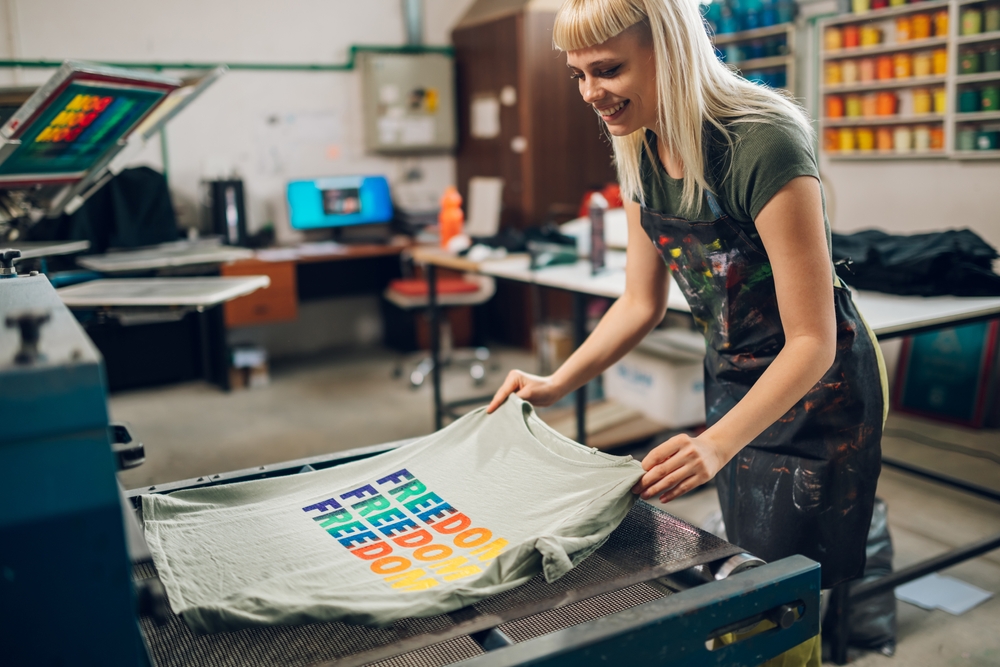
Which Industries Does PolyPM Serve?
PolyPM’s apparel decoration software was not built for one segment of the apparel world. It was built around the manufacturing order structure that runs across the entire industry, which is why the same blank boxes, pull sheets, and barcode withdrawal apply no matter what a factory produces.
Manufacturers across uniform manufacturing, workwear manufacturing, safetywear manufacturing, sportswear, activewear, outerwear, swimwear, denim, and children’s apparel all rely on decoration as part of how their finished goods reach customers, whether that is an embroidered crest, a screen printed logo, or a sublimated graphic. PolyPM also supports garment manufacturers, textile manufacturers and mills, contract manufacturers, and private label producers running decoration alongside cut and sew production.
Fashion brands and fashion manufacturers that decorate in house benefit the same way, since PolyPM’s apparel ERP treats decoration as a production step regardless of whether the finished product ships to a retailer, a corporate buyer, or a team supplier.
Because the manufacturing order framework does not change from one industry to the next, factories that produce a wide mix of decorated products, like a uniform manufacturer also running promotional apparel, can manage all of it inside PolyPM instead of juggling separate systems for each product line.
→ Not sure whether your specific product mix fits? Ask PolyPM how apparel decoration software applies to your industry.
Where Does PolyPM Support Apparel Manufacturers?
Apparel manufacturing does not happen in one place, and neither does decoration. PolyPM supports manufacturers running apparel decoration software across North America and internationally, including the United States, Canada, Mexico, Central America, South America, Europe, and Asia.
Common manufacturing hubs where PolyPM customers run decoration alongside cutting, sewing, and finishing include Los Angeles, New York, Miami, Chicago, Houston, Greenville, Toronto, Montreal, Guatemala City, San Pedro Sula, Tegucigalpa, San Salvador, and Managua.
Manufacturers operating across multiple facilities and countries need decoration tracking that works the same way in every location, and PolyPM’s apparel decoration software is built to give plants in different regions the same visibility, whether the factory is decorating uniforms in Central America or sublimating sportswear in the southeastern United States.
→ Running production across more than one facility or country? Ask PolyPM how apparel decoration software stays consistent across every plant.
What Else Does PolyPM Offer Beyond Decoration?
Apparel decoration software is one piece of what PolyPM manages, not the whole picture. Decoration only works well when it connects to the systems around it, and PolyPM was built as a single platform rather than a collection of bolted-together tools.
On the product development side, PolyPM’s fashion apparel PLM software manages style records, bills of materials, tech packs, colorways, and lab dips, so the specifications that drive a decoration job come from the same record the rest of the business already uses. On the production side, PolyPM’s apparel production software handles production scheduling, cut planning, bundle tracking, and shop floor visibility, with decoration running as one operation inside that same schedule.
Inventory is managed through PolyPM’s apparel inventory management software, which tracks raw materials, roll-level fabric, trims, and finished goods so blank boxes used for decoration reconcile against the same inventory record used for cutting and sewing. And for manufacturers preparing patterns before production even begins, PolyNest pattern design software handles pattern grading, marker making, and fabric utilization to reduce waste before the first yard is cut.
Together, these pieces form PolyPM’s apparel manufacturing ERP software, which is why decoration inside PolyPM behaves like a natural extension of production rather than a separate application a factory has to reconcile against everything else.
→ Curious how decoration fits alongside product development, inventory, and production in one system? Ask PolyPM for a full platform walkthrough.
Bringing Decoration Into the Same System as PolyPM
Screen print, embroidery, and sublimation deserve the same level of visibility as cutting, sewing, and finishing, because they carry the same risk of shrinkage, rework, and missed ship dates when they run disconnected from the rest of the floor. PolyPM’s apparel decoration software lives inside a unified apparel ERP and apparel PLM platform, with blank boxes, automated pull sheets, and barcode withdrawal built in, closing a gap that most competing systems leave open entirely.
For manufacturers producing sportswear, workwear, uniforms, safetywear, or any other decorated apparel category, that visibility translates directly into fewer errors, faster ship dates, and a production floor leadership can actually see. PolyPM was built by apparel people, and its apparel decoration software manages workflows the way they actually run, decoration included.
→ Ready to see decoration tracked as a real production step instead of a side process? Contact the PolyPM team to get started.
→ Follow PolyPM on LinkedIn for ongoing updates on apparel decoration software, production visibility, and PolyPM feature releases.
PolyPM Apparel Decoration Software: FAQs
What is PolyPM’s apparel decoration software?
PolyPM’s apparel decoration software manages the processes used to embellish blank garments, including screen printing, embroidery, sublimation, and heat transfer. Unlike standalone decoration tools, PolyPM connects decoration to the manufacturing order, inventory, and production schedule rather than tracking it as a standalone process.
How does PolyPM track blanks used for decoration?
PolyPM organizes blanks into tracked boxes with style, color, size, and quantity data as soon as they enter inventory. Each box carries a barcode that gets scanned when blanks are withdrawn for a decoration run, updating inventory in real time.
What is a pull sheet in PolyPM?
A pull sheet lists exactly which inventory items, in this case blank boxes, need to be pulled for a specific production or decoration run. PolyPM generates pull sheets automatically from the manufacturing order rather than requiring someone to build them by hand.
Can PolyPM manage multiple decoration methods in the same production order?
Yes. Screen print, embroidery, and sublimation are tracked as distinct operations inside PolyPM, so a manufacturing order that requires more than one decoration method keeps each step visible and scheduled separately.
Why does most decoration software not connect to the manufacturing order the way PolyPM does?
Most decoration software was built by companies focused on screen print and embroidery equipment, designed to manage machine programs and job queues rather than full apparel production. PolyPM was built from the manufacturing order outward, so it starts with the same production data driving cutting, sewing, and finishing.
Does PolyPM support decoration for uniform and workwear manufacturers?
Yes. PolyPM’s decoration tracking applies the same way across sportswear, workwear, uniform, and safetywear production, since the manufacturing order structure does not change based on industry or decoration method.
How does barcode withdrawal in PolyPM improve inventory accuracy for decoration?
Barcode withdrawal in PolyPM records exactly which blanks left inventory the moment it happens, rather than relying on manual logs that get updated after the fact. This closes the gap that normally causes shrinkage and inventory discrepancies to go unnoticed until a physical count.
Is decoration tracking included with PolyPM’s core apparel ERP, or is it a separate module?
Decoration is built into the same manufacturing order workflow that governs cutting, sewing, and finishing inside PolyPM, so it does not require a separate system or manual reconciliation between decoration and the rest of production