
A modern textile ERP software solution in 2026 must do far more than manage orders and inventory balances. Textile manufacturers operate in environments where yarn is tracked by weight, greige goods move through multiple finishing stages, dye recipes require strict control, and fabric yield changes based on width and weight variables. Generic ERP systems simply are not built for this level of operational complexity.
From yarn purchasing through knitting, dyeing, finishing, and shipment, textile manufacturers require visibility across every stage of production. Yarn must be tracked by lot and weight. Greige goods must move through finishing with shrinkage and width changes recorded. Dye recipes and lab dips must be controlled before production continues.
PolyPM, a textile PLM + ERP solution, was designed specifically for textile manufacturing workflows. It includes native support for yarn BOMs, knitting orders, lab dip management, and roll-level traceability, allowing manufacturers to track material and production data within one system rather than across disconnected tools.
Textile manufacturers face operational challenges that are fundamentally different from most industries. An efficietn textile ERP software solution must support:
These are not add-ons. They are core textile workflows.
PolyPM supports full yarn-to-fabric traceability. Manufacturers can track every pound of yarn from receiving through knitting, dyeing, finishing, and shipment, knowing exactly which yarn lots were used in every roll of finished fabric.
A textile ERP software platform must manage the entire yarn lifecycle.
PolyPM includes forecast-driven yarn purchasing with MRP integration, contract PO management for long-term supplier agreements, yarn BOMs linked to greige goods styles, and automatic reorder point calculations based on knitting schedules.
At receiving, the system supports:
During production, PolyPM tracks yarn consumption by knitting order, compares planned versus actual usage, adjusts BOMs based on recorded yields, and provides cost variance reporting by lot, order, and style.
For textile manufacturers, this level of visibility is what textile ERP software systems must provide to keep material usage, production output, and costing aligned.
Knitting production requires structured workflow management.
PolyPM supports knitting orders with yarn allocation and machine assignment. It allows multiple fabric widths via style options and automatically creates greige goods upon knitting completion. Tubular and open-width fabrics are both supported within the workflow.
For greige goods inventory, every roll is tracked with a unique identifier. Weight, width, and grade are recorded at production. Shrinkage and weight changes are calculated as goods move from greige to finished fabric.
Machine utilization, operator productivity with damage attribution, downtime tracking with reason codes, and integrated CMMS for equipment maintenance directly affect output, yield, and cost.
When this information is tracked outside a textile ERP software solution, production performance becomes disconnected from material usage and costing.
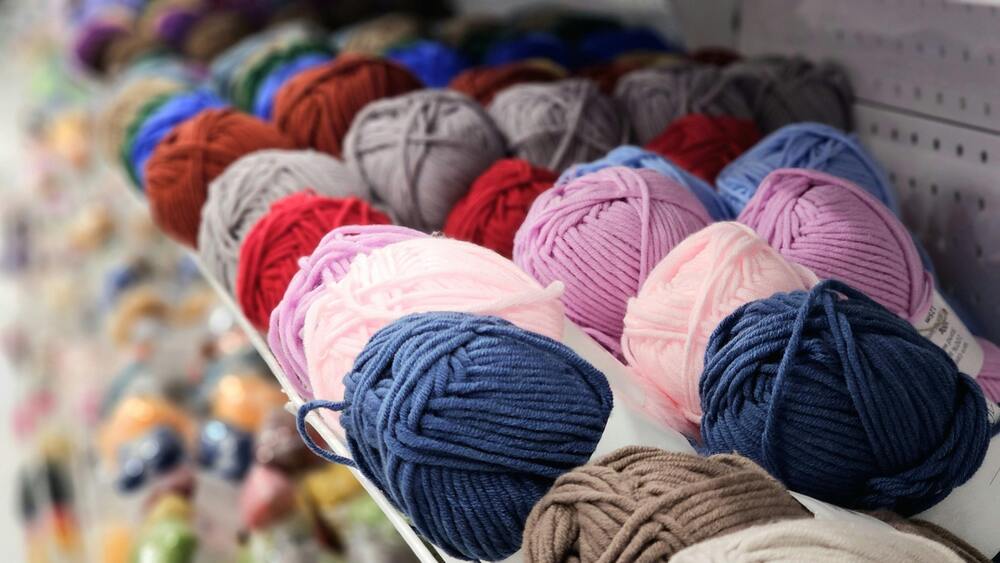
Color consistency is critical in textile manufacturing.
PolyPM includes lab dip management with chemical and dye recipe version control. It supports multiple tones (A, B, C, D) with quantity variations per tone. Production is automatically blocked until a final lab dip is approved and released.
The system also supports:
Finishing operations are tracked across multiple steps, with width and weight changes recorded at each stage. Shrinkage factors and final inspection grading are fully documented within the system.
This is not generic ERP functionality. It is textile-specific process control.
Textile inventory must be managed at the roll level.
PolyPM assigns a unique identity to every roll, capturing weight, length, width, grade, and complete production history. FIFO allocation with container sequencing is supported.
Fabric yield calculations are handled automatically. The system converts between length, weight, and area based on roll width and fabric weight. It supports customer-specific units such as yards, meters, pounds, and kilograms, and includes conversion factor management.
Allocation and consumption features include:
An efficient textile ERP software platform must explain every yard and every gram.
Generic ERP systems require extensive customization for textile manufacturing. They lack native support for:
PolyPM was designed from day one for textile and apparel manufacturing. It is not a generic ERP system with textile modules bolted on.
Datatex is textile-focused but does not extend strongly into cut & sew manufacturing and decoration. PolyPM supports the full value chain from yarn through decorated garment.
NGC is strong in apparel PLM, but textile manufacturing features are add-ons rather than native workflows. PolyPM includes native yarn, knitting, dyeing, and finishing processes as core functionality.
For vertically integrated manufacturers, especially those producing yarn to finished garment, this distinction matters.
Unlike many textile ERP platforms that stop at fabric production, PolyPM (a PLM + ERP ) continues through cut & sew manufacturing and decoration. This makes it suitable for vertically integrated textile and apparel manufacturers managing the complete production lifecycle.
The platform supports:
Textile ERP software systems must support the full value chain when production does not stop at fabric.
In 2026, a performing textile ERP software solution must manage yarn by weight, control lab dip approvals, track greige goods through finishing, calculate fabric yield automatically, and maintain roll-level traceability from receiving through shipment.
PolyPM delivers this capability through a unified ERP + PLM platform built specifically for textile manufacturing. By connecting product data, yarn purchasing, knitting workflows, dyeing, finishing, and roll-level inventory inside one system, PolyPM keeps material usage, production activity, and costing aligned across vertically integrated environments.
For textile manufacturers requiring visibility from yarn to finished fabric, and, where applicable, through garment production, a purpose-built ERP + PLM solution is no longer optional.
→ Follow PolyPM on LinkedIn for more updates on textile software industry trends. Feel free to check us out on Facebook as well!
Is PolyPM suitable for vertically integrated textile manufacturers?
Yes. PolyPM supports yarn purchasing, knitting workflows, greige goods tracking, dyeing, finishing, and cut & sew within one textile ERP software solution. This makes it suitable for vertically integrated operations that require material traceability and production alignment across departments.
How does PolyPM manage roll-level fabric tracking?
PolyPM tracks each roll with unique identification, including weight, width, grade, and production history. Our textile ERP software solution records shrinkage, yield adjustments, and allocation to cut orders while maintaining planned versus actual consumption reporting.
How does PolyPM support dyeing and lab dip management?
PolyPM includes lab dip management, dye recipe version control, and lot traceability within its textile ERP software platform. Production can be controlled based on approval status, ensuring dye consistency before goods move through finishing.
How is PolyPM different from generic ERP systems for textile manufacturing?
Generic ERP systems require customization to support knitting workflows, greige goods tracking, and fabric yield calculations. PolyPM was designed specifically for textile manufacturing and includes these capabilities natively within its textile ERP software system.
Can PolyPM support manufacturers operating across multiple regions?
Yes. PolyPM supports distributed textile manufacturing operations across locations such as Los Angeles, New York, Miami, Chicago, Houston, Greenville, Guatemala City, San Pedro Sula, Tegucigalpa, San Salvador, and Managua. The textile ERP software solution maintains material traceability and production visibility across facilities.
Is PolyPM’s textile ERP software suitable for workwear, uniform, safetywear, fashion, apparel and garment?
Yes. PolyPM’s textile ERP software solution supports a wide range of production environments, including textile manufacturers supplying workwear manufacturers, uniform manufacturers, safetywear manufacturers, fashion manufacturers, apparel manufacturers, and garment manufacturers. Because PolyPM manages yarn purchasing, knitting, dyeing, finishing, roll-level inventory, and production alignment within one textile ERP software system, it supports both specification-driven programs such as workwear and safetywear, and higher-variation environments such as fashion and apparel manufacturing.